


Make Your Golden Memories
Venetian House was designed to represent a luxurious, yet reasonably, alternative to other centrally located hotels. Each apartment is completely independent and offers significantly more living space and better value for money than an equivalnet hotel room.
This place is managed by enthusiasts of discovering distant corners of the world. Our values are inspired by our own travel experiences, where we have learned to appreciate what’s important when it comes to providing good accommodation and service.
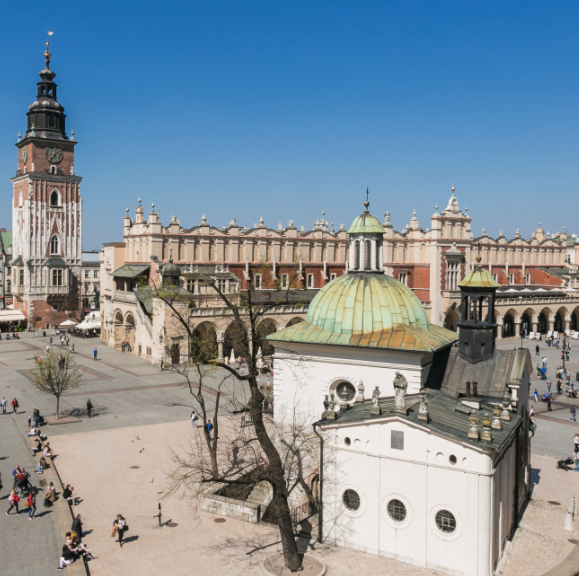
We are waiting to welcome you in this magical place where the heart of Krakow wakes up and falls asleep.
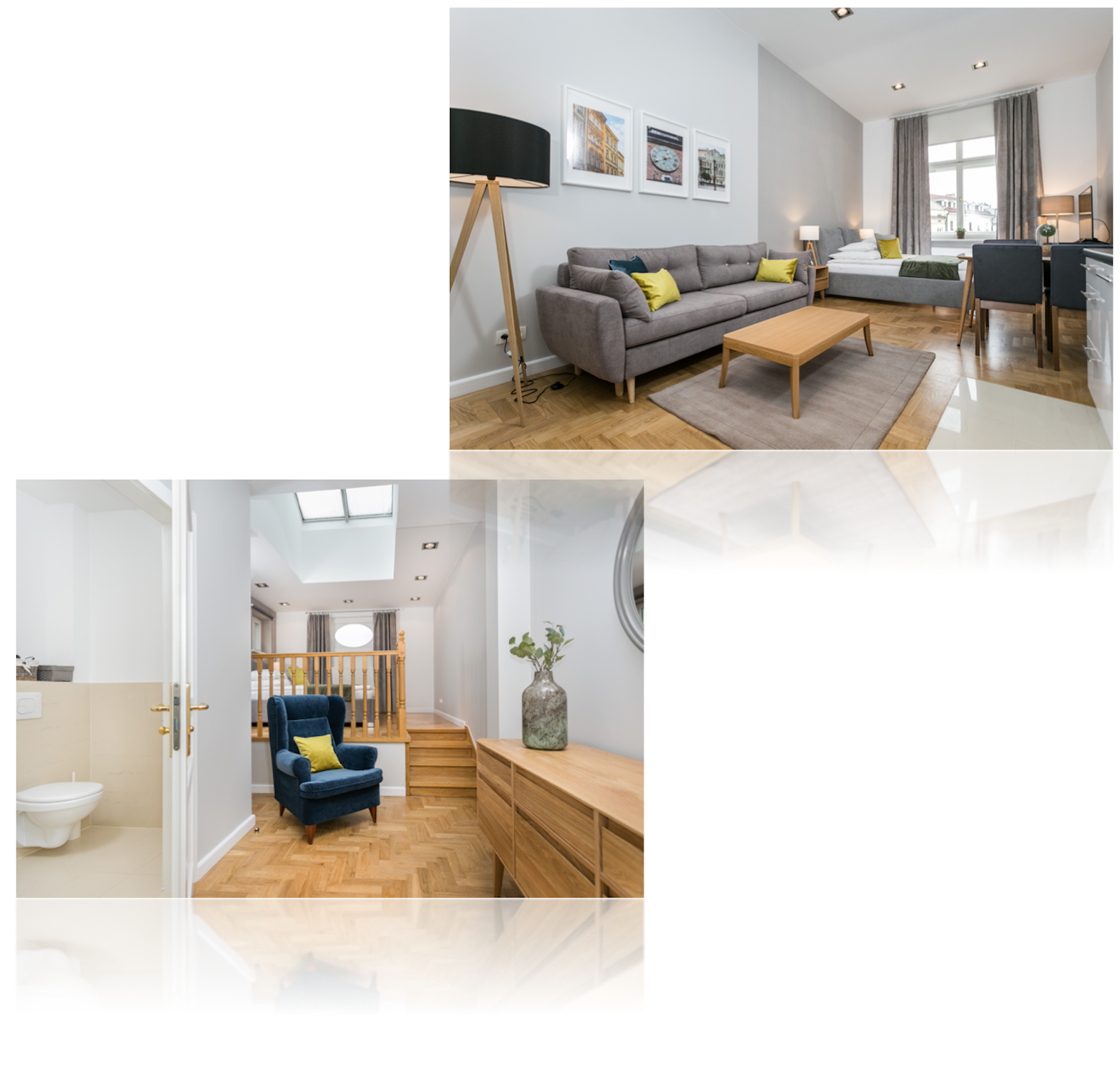
34 COMFORTABLY APPOINTED APARTMENTS
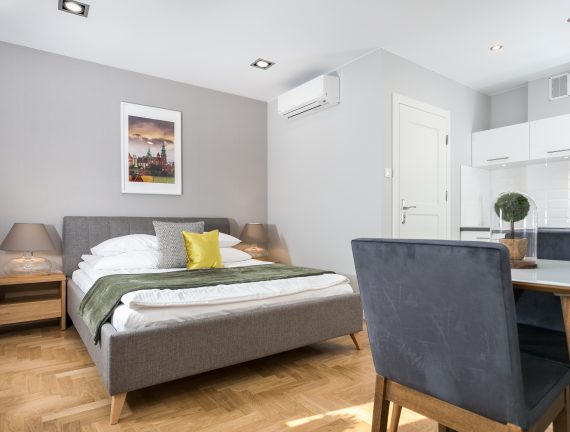
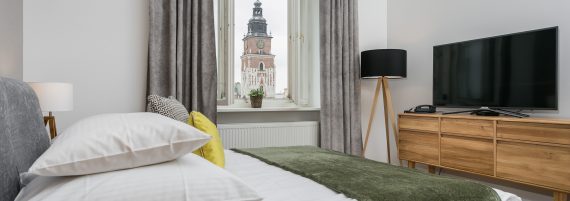
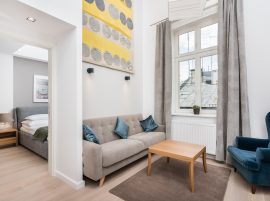
Vacation at Ease
Additional Services


What Others Say
Brenxx
“Loved this Aparthotel. It’s situated right on the square. Handy for everything. Shops, restaurants, tours, all on the doorstep. Staff were very friendly and spoke good English. The apartment itself was very clean and was well equipped. Large double bed and a bed settee, so plenty of room for small family. Look forward to my next visit there!”
Jess P
“We visited this hotel for 3 night stay. The hotel itself is in a fantastic area within walking distance of anything you need. The rooms were great with comfy beds equipped with a small kitchen. We stayed on level 4 which had access to a lift. The rooms were lovely and warm with the facility to adjust the temperature if required. Bathroom great too with hairdryer and ample amount of space throughout. The staff on the reception desk were very helpful, nothing was too much trouble for them and they spoke English. They really are a credit to this hotel. I wouldn’t hesitate in recommending this hotel to anyone looking to explore the city.”
Wisser
“Apartment was a great size… there were only 2 of us, but the setup would have comfortably accommodated 2 close couples or a family. It was modern inside and spotlessly clean, the photos on the website are not misleading. Reception were friendly and helpful, they even helped us out with some laundry – no charge! You really can’t go wrong staying here, and I’d suggest adding the Welcome Pack they offer – we found it useful when arriving late in the evening.”